

BitSize Blog
Learn better, a little every day.
Guides to learning Japanese, French and Python in short, focused lessons, and the method behind them.
 How to learnLatest
Finishing a Lesson Is Not the Same as Knowing It
Getting to the end of a lesson and still remembering it next month are two different things. Here is how BitSize tells them apart, and why it shows your progress and your mastery as separate measures.
Read the post
 Japanese
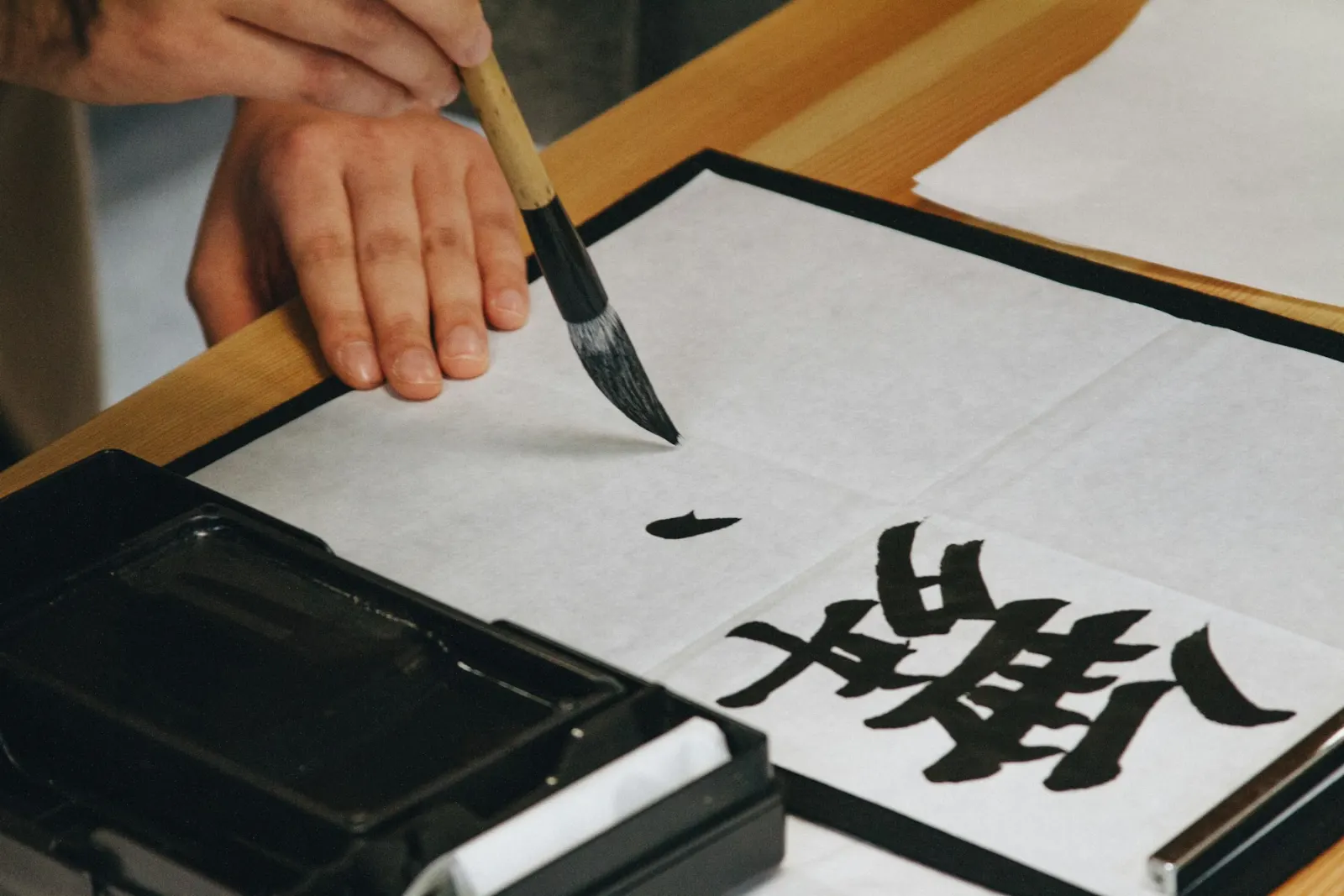
Five Kanji a Day: A Walkable Path Through All 2,136
Kanji are building blocks, not random pictures. How components, on and kun readings and stroke order work, and why five a day reaches every Jōyō kanji.
 French
You Already Know More French Than You Think
Centuries of Norman influence left English full of French. Learn the spelling patterns that translate reliably, and the false friends that don't, and turn that inheritance into a head start.
 How to learn
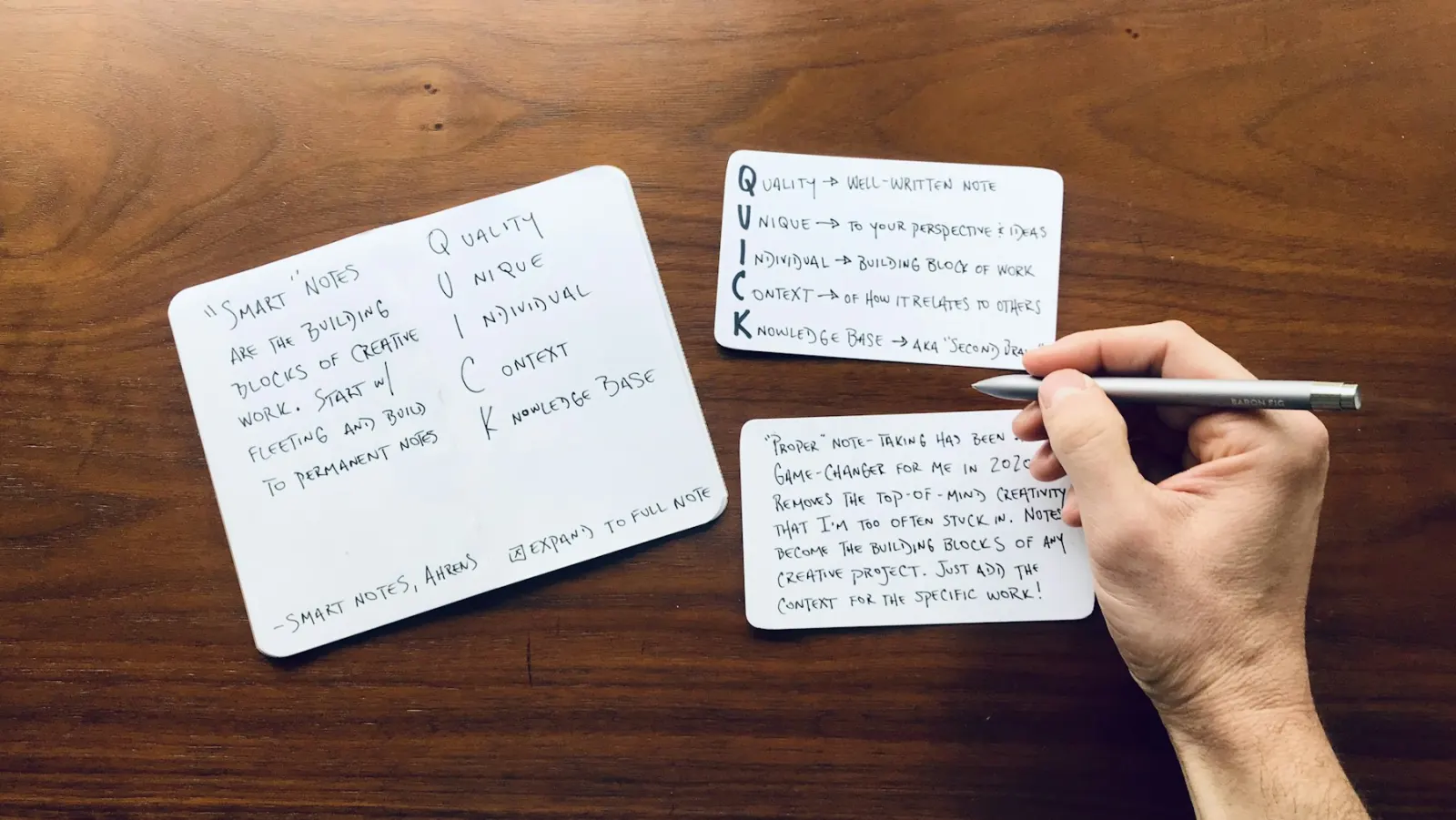
Ten Mixed Questions a Day: Why a Messy Review Works Better
Practising one topic at a time feels efficient, yet mixing topics together tends to produce stronger memory. Here is the research behind interleaving, and how BitSize builds its short daily review around it.
 Japanese
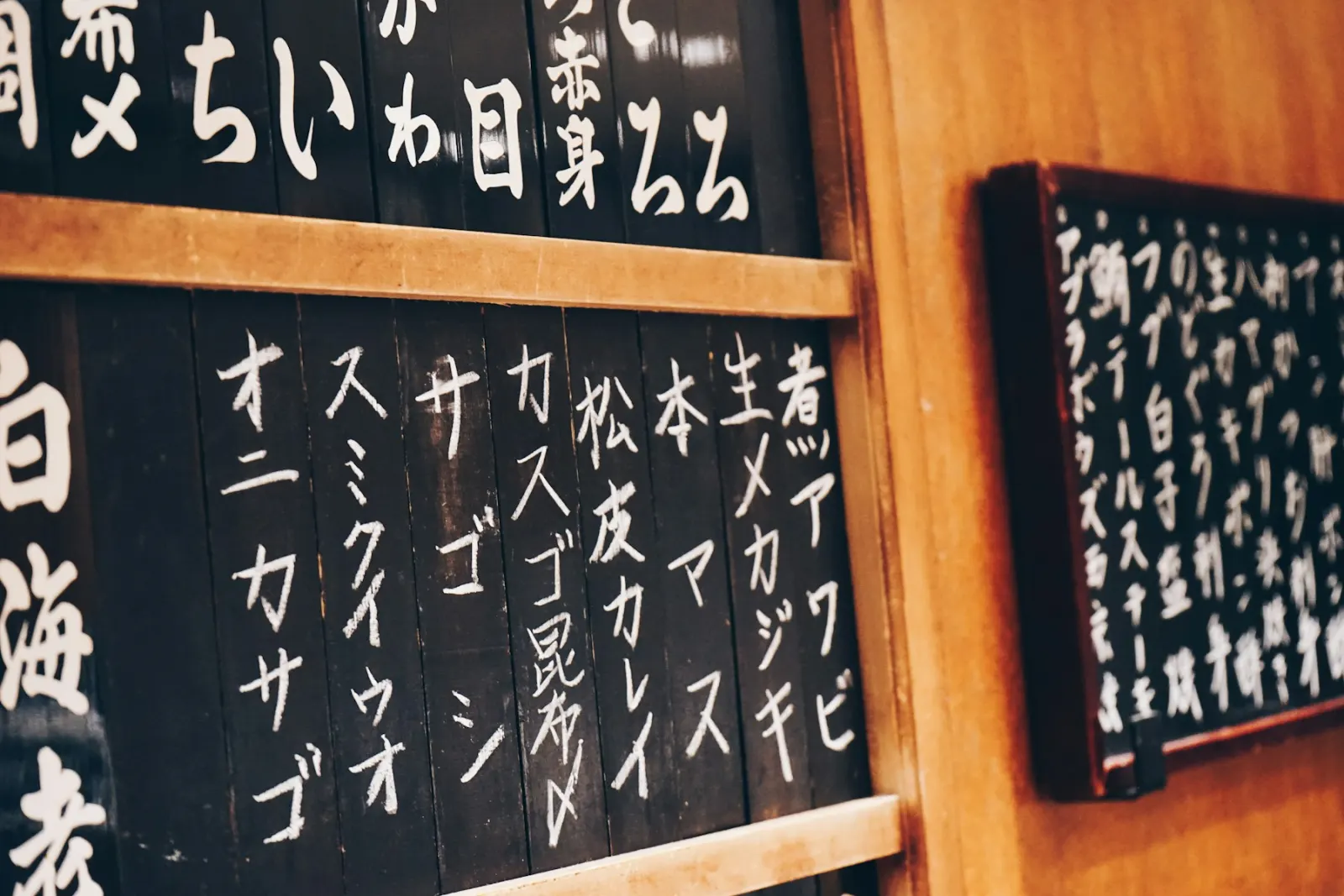
Start Japanese with Kana, Not Romaji
Two small alphabets of sound unlock every Japanese sentence. Why hiragana then katakana beats romaji, how the kana grid works, and how to make the shapes stick.
 French
The French Sounds English Speakers Miss
A vowel English lacks, three nasal vowels, a throaty R, silent letters and words that run together: the few sounds behind most accent and listening trouble, and how to train them.
 Python
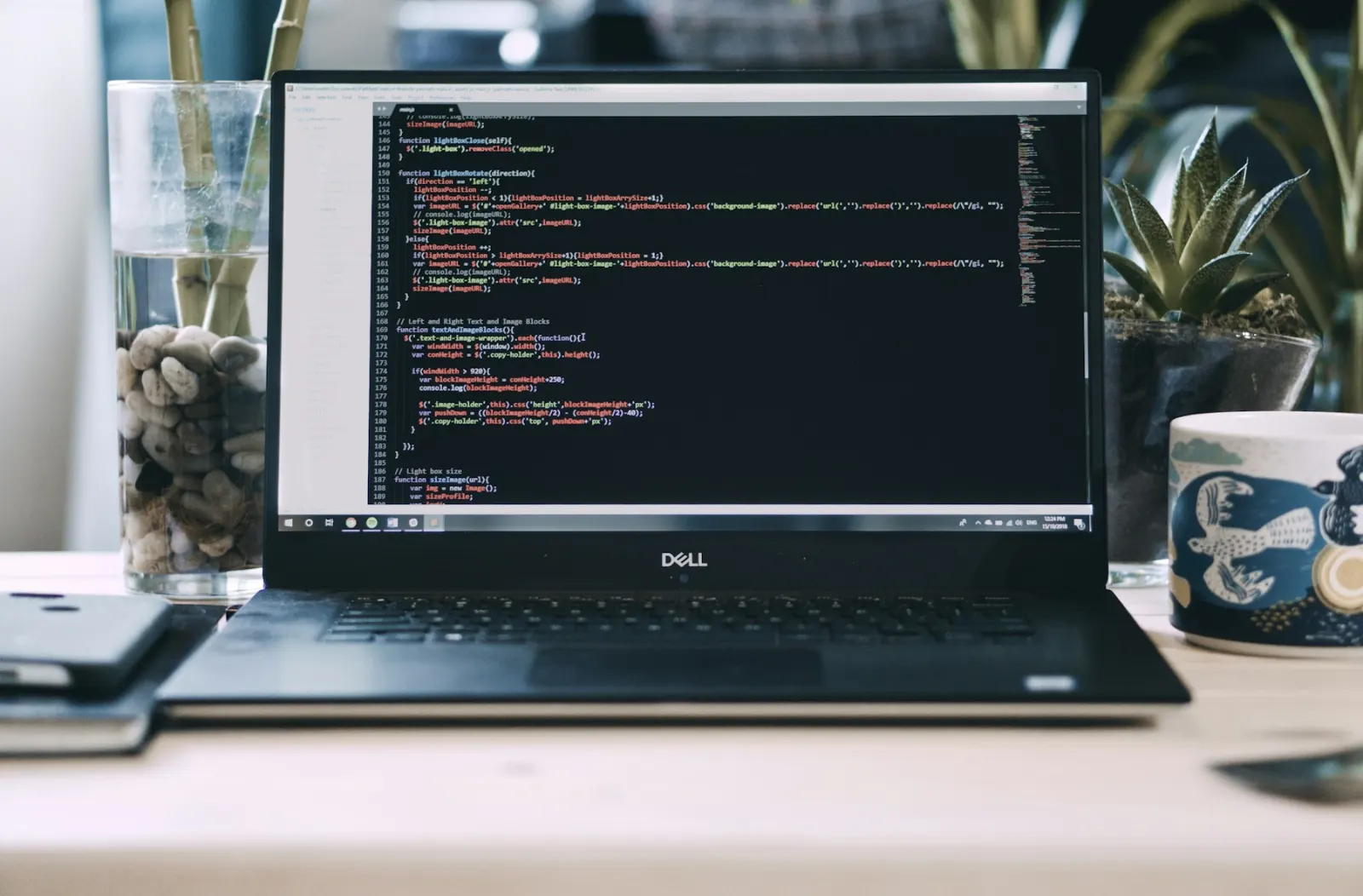
Learn Python by Predicting, Running and Breaking Small Programs
You learn to program by reading real code, guessing what it will do, then running it to find out. Here is a practical method built on small daily examples, and how BitSize Python is designed around it.
 Japanese
Ten Thousand Japanese Words, Ten at a Time
The most useful words first, in loose themes, heard as well as read. How to build a Japanese vocabulary that lasts, one ten-word lesson at a time.
 French
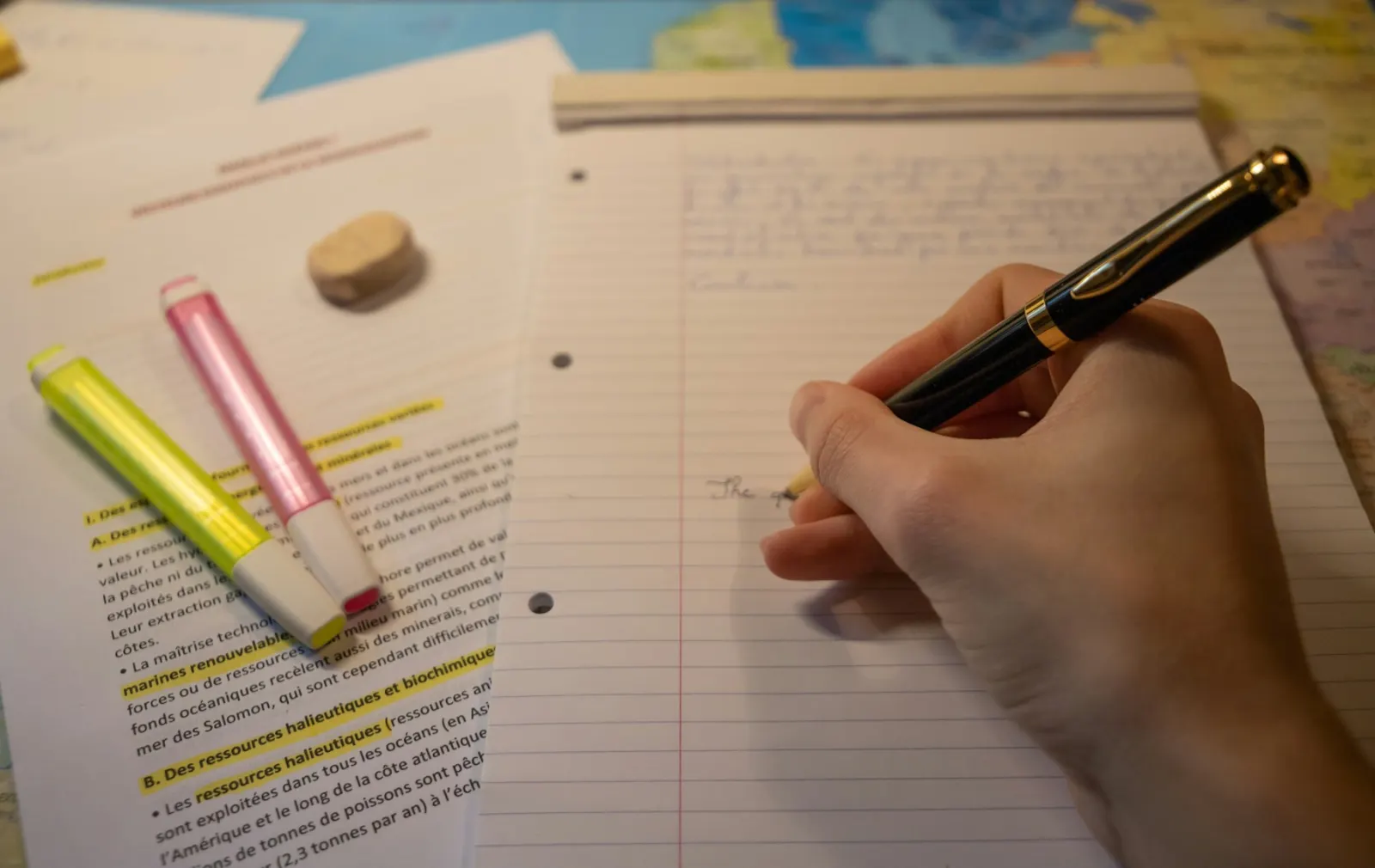
 Traps Worth Drilling, and the Verbs That Carry the Language
Depuis or pendant, c'est or il est, savoir or connaître: the classic French traps are best learned as contrasts, alongside the handful of core verbs that do most of the work.
 How to learn
Twelve Minutes a Day: Why Small Lessons Beat the Weekend Marathon
A long Sunday session feels productive, but memory is built between sessions, not during them. Here is what the research says about short daily practice, and how to make twelve minutes a habit that lasts.
 Japanese
 Grammar Is a Set of Patterns
Much of Japanese grammar lives in reusable patterns like 〜てしまう, 〜ばかり and 〜わけではない. How to learn each one with its nuance, register and real examples.
 French
Listening and Reading Your Way to B2
What carries you from beginner to B2 is steady input you can mostly understand. How to climb the DELF levels by ear and by eye: linked speech, numbers and prices, gist-then-detail reading.
 Japanese
Train Your Ear, Read for Meaning
Comprehension is its own skill. How repeated listening, extensive reading and gist-before-detail turn Japanese you know into Japanese you understand at full speed.
 How to learn
The BitSize Philosophy: Why 8 Minutes a Day Beats Everything Else
Most people fail at learning a new language or skill not because they lack talent — but because they try to do too much at once. Here is why consistent, small effort wins every time.